


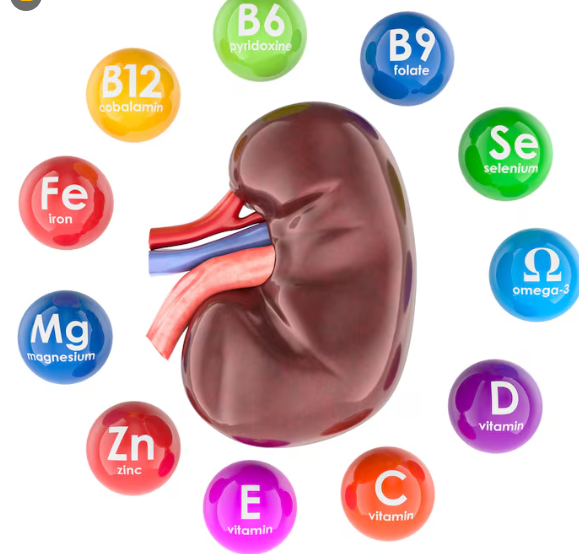
A lot of people search for supplements for the kidneys when they feel tired, worried about lab results, or just want to do something helpful. That reaction makes sense. Still, kidney support does not begin with a random capsule from a shelf. Kidney health is tied to blood pressure, blood sugar, food choices, medicines, hydration, and whatever stage of kidney disease a person may have. National Kidney Guidance keeps warning that vitamins and supplements should not be started casually, especially with chronic kidney disease.
More vitamins do not automatically mean better kidney function.
This part gets misunderstood all the time. The phrase vitamins for improved kidney function sounds simple, but the science is not that neat. Reliable kidney guidance talks more about correcting specific deficiencies or replacing nutrients lost during dialysis than about over-the-counter vitamins improving kidney function on their own. In other words, supplements may fill a gap, but they are not a general fix for damaged kidneys. That distinction matters a lot, and it gets lost in marketing pretty easily.
Some vitamins can build up when the kidneys are not working well.
People often assume vitamins are harmless because they are sold everywhere. That is not always true for kidney patients. The National Kidney Foundation says vitamins A, E, and K usually do not need to be taken as supplements in chronic kidney disease, and too much can build up in the body and become harmful. Over-the-counter vitamin D or calcium supplements also should not be taken unless a kidney doctor recommends them. So the label may look gentle, but the body may handle it very differently.
Kidney patients may need special supplements, but only sometimes.
There are real cases where supplements are used. People with kidney failure, people on hemodialysis, and some people on restricted diets may be prescribed kidney-specific vitamin and mineral products because treatment can remove certain vitamins or food limits can create shortfalls. That is where supplements for kidneys can make practical sense. But the key detail is that these are usually recommended by a healthcare professional, not chosen at random from general wellness products online or in stores.
Herbal blends and mixed formulas can quietly cause trouble.
This part is easy to overlook because the word natural sounds comforting. Kidney organizations still warn that herbal supplements can worsen kidney disease, interact with prescribed medicines, or increase the risk of complications. So when a product combines herbs, minerals, and claims about detox or cleansing, that should raise more questions, not fewer. People looking for vitamins for improved kidney function may end up choosing products that are not even appropriate for reduced kidney function in the first place.
Food and professional advice still matter more than hype.
NIDDK guidance puts a lot of weight on healthy eating, sodium control, and adjusting nutrients like potassium and phosphorus based on kidney status and treatment needs. That means a pill is not the center of the plan. Food patterns and medical guidance still do most of the heavy lifting. A renal dietitian can help shape an eating plan around how the kidneys are doing, which is often more useful than guessing with supplements. That may sound less exciting, but it is much more grounded.
Conclusion
The smartest approach to kidney support is usually more careful and more specific than supplement advertising makes it seem. At healthykidneyinc.com, readers can learn more about kidney-focused support with a better understanding of what should be checked before starting anything new. Supplements for the kidneys may help in certain situations, but only when they match a real deficiency, treatment need, or professional recommendation. Vitamins for improved kidney function should be viewed cautiously, because improving kidney function is not something routine supplements generally do on their own.
