


It happens in a split second, maybe during a weekend hike, a casual football game, or just misjudging a step on the stairs. You twist your ankle, wince, and hobble off, convinced it’s “nothing serious.” A bit of swelling, and a few painkillers, and you’re good to go, right? Not quite. In Singapore, ankle injuries are among the most common orthopaedic complaints, yet also one of the most underestimated. Left untreated or mismanaged, a harmless sprain could turn into an ankle ligament tear, leading to long-term instability or chronic pain. So how do you know when to call an ankle specialist in Singapore? What signs suggest it’s more than a temporary twinge? And what does recovery look like under the care of an orthopaedic surgeon in Singapore?
Why R.I.C.E. Isn’t Always Enough
Most people who roll an ankle go straight for the R.I.C.E. method: Rest, Ice, Compression, Elevation. While it’s a good first response, it isn’t a cure.
R.I.C.E. helps manage swelling and reduces pain in the short term. If the underlying damage is more serious, you’re going to need more than a bandage and a bucket of ice.
The problem is, that tears don’t always present dramatically. Some patients still manage to walk, albeit with discomfort, and dismiss the injury as minor.
This delay in seeking proper treatment can affect long-term joint stability and increase the risk of repeated sprains or arthritis. A simple consultation with an ankle specialist in Singapore early on can prevent months of chronic issues.
What a Torn Ankle Ligament Means
Ligaments are the connective tissues that stabilise your joints. In your ankle, they keep everything aligned while allowing a healthy range of motion. When you sprain your ankle, one or more of these ligaments may be stretched or torn.
A mild sprain typically means microscopic tearing and mild tenderness. However, a proper ankle ligament tear involves significant disruption of the fibres, possibly with a popping sound, visible bruising, swelling, and instability.
Severe tears may require medical imaging like MRI scans to confirm. In some cases, surgery by an orthopaedic surgeon in Singapore may be recommended.
The Misconceptions That Slow Recovery
A lot of myths surround ankle injuries. “You can’t walk on a torn ligament” is a common one. In truth, many people can still walk badly on a torn ligament, leading them to believe it can’t be that serious.
Another common belief? That pain is the only indicator of severity. But in ligament tears, the body can compensate with surrounding muscles, temporarily masking the instability.
Then there’s the DIY trap. YouTube rehab routines, sports braces from the pharmacy, and a wait-and-see attitude. While these might help with light strains, they’re no replacement for guided recovery.
What an Ankle Specialist Looks For
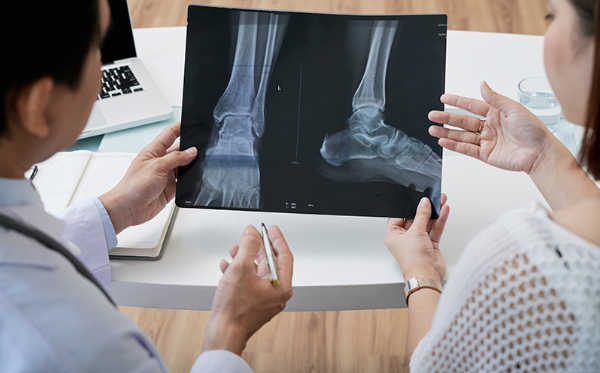
During a consultation with an ankle specialist in Singapore, you’re likely to undergo more than just a physical exam. Specialists check for joint laxity, swelling, bruising, and gait abnormalities, and compare movement between both ankles. If needed, they’ll order X-rays or MRIs to determine the extent of damage.
Treatment plans vary widely depending on the severity of the tear. Mild injuries might need just rest and physiotherapy. Moderate tears could require a brace and a structured rehab plan. For more severe cases, especially where instability persists, surgical reconstruction by an orthopaedic surgeon in Singapore may be a suitable course.
Post-surgery, most patients follow a timeline of immobilisation, gradual weight-bearing, physiotherapy, and strength training. While this might sound intense, structured recovery prevents reinjury and gets you back to full function.
Knowing You’re on the Right Track
Recovery from a ligament injury isn’t linear, but there are signs you’re progressing. In the first few days, swelling subsiding is a good indication. By the second week, regaining balance and range of motion should be on the horizon.
By six to eight weeks, most patients under proper care can begin moderate activities. For athletes or highly active individuals, return to sport may take three to six months, depending on the treatment path.
The real milestone is when you stop fearing each step, each uneven pavement, each sprint. When you no longer think about your ankle every time you move. That’s when you know your recovery was successful.
Don’t Let a “Small” Injury Become a Big Problem
An ankle injury may seem like a blip on your radar, but ignoring it can have ripple effects for years. A minor twist could be something more serious, like an ankle ligament tear, and deserves more than a shrug and a cold compress. Book a visit with a qualified ankle specialist in Singapore. If surgical care is required, an experienced orthopaedic surgeon in Singapore can help restore function and prevent future issues.
Injuries may be accidental—but recovery doesn’t have to be. Make the smart move early. Contact Specialist Orthopaedic Centre today.
