


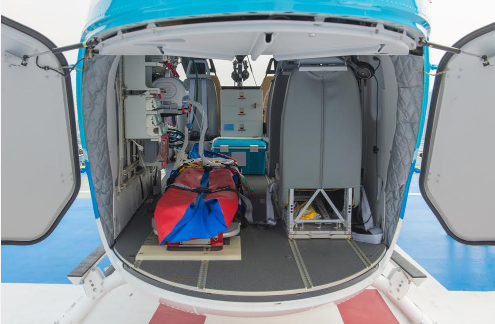
When a person’s life is at stake, every moment is crucial. Air ambulances hurry to save patients. However, they encounter a challenge that extends beyond merely arriving quickly. These airborne medical facilities need to remain secure while performing their life-saving missions.
The Growing Need for Protection
Air ambulances function in perilous circumstances daily. They arrive in isolated regions, navigate through war-torn areas, and react to crises where security is not assured. Aviation professionals and healthcare teams expose themselves to danger to assist others. Consequently, safeguarding these aircraft has become just as important as their speed and medical supplies.
Poor weather conditions were once the main concern for air ambulance crews. Now, they confront new dangers. Some individuals deliberately aim at these planes, believing they transport crucial medical resources or gear. Others may view them as emblems of power and target them amid civil disorder.
New Technology Changes Everything
The airline sector has risen to address these challenges. Engineers now design air ambulances featuring improved protection systems that maintain their speed. These enhancements allow crews to concentrate on preserving lives rather than being concerned about their own safety. Contemporary defense mechanisms function as unseen barriers. They identify dangers before they escalate. Certain aircraft utilize specialized sensors to detect approaching projectiles or hostile actions on the ground. When threats arise, these systems notify the crew right away.
Smart Defense Without the Weight
Traditional aircraft armor used to be weighty and cumbersome. It slowed helicopters down and limited their flying range. New materials alter this equation entirely. The people at LifePort explain that advanced composites offer superior protection while being significantly lighter than traditional armor plating. These lightweight substances can prevent small arms fire and shrapnel without transforming the aircraft into a flying fortress. They are deliberately positioned in locations that require the highest level of security. The pilot’s area and medical bay receive additional focus as these areas contain the individuals who enable rescues.
Communication Keeps Everyone Safe
Communication during emergencies is highly important. Contemporary air ambulances utilize secure communication technologies that are resistant to interception and interference. These systems allow crews to communicate safely with ground teams, hospitals, and security personnel. Instant data exchange enables pilots to steer clear of hazardous zones. They get information on dangers, shifts in weather, and secure landing areas. This information is continuously available, providing teams with the insights necessary to make informed choices promptly.
Training Makes the Difference
Technology by itself cannot resolve every issue. Teams train consistently to manage threatening situations while maintaining high-quality medical care. They train for emergency landings, defensive flying strategies, and rapid patient transfers. This training enhances assurance and physical recall. In genuine emergencies, teams respond instinctively. They understand how to utilize their protective systems efficiently while maintaining their attention on the patient requiring assistance.
Looking Ahead
The future offers even greater safety for air ambulance services. Researchers develop systems capable of independently evading threats without any human intervention. AI assists in examining risk patterns and recommending more secure flight routes. These developments not only safeguard teams and patients. They also enhance the reliability of air ambulance services. Communities can rely on these crucial flights even in difficult situations.
Conclusion
Air ambulances rescue countless individuals annually. As dangers to these essential services increase, our capability to safeguard them also rises. Advanced technology, superior materials, and enhanced training form a safety net. A net that enables these aerial heroes to perform at their best. The blend of rapidity and safety ensures that more individuals receive the urgent care they require. It matters not where threats may be present. Aircraft safety improvements save lives.
