


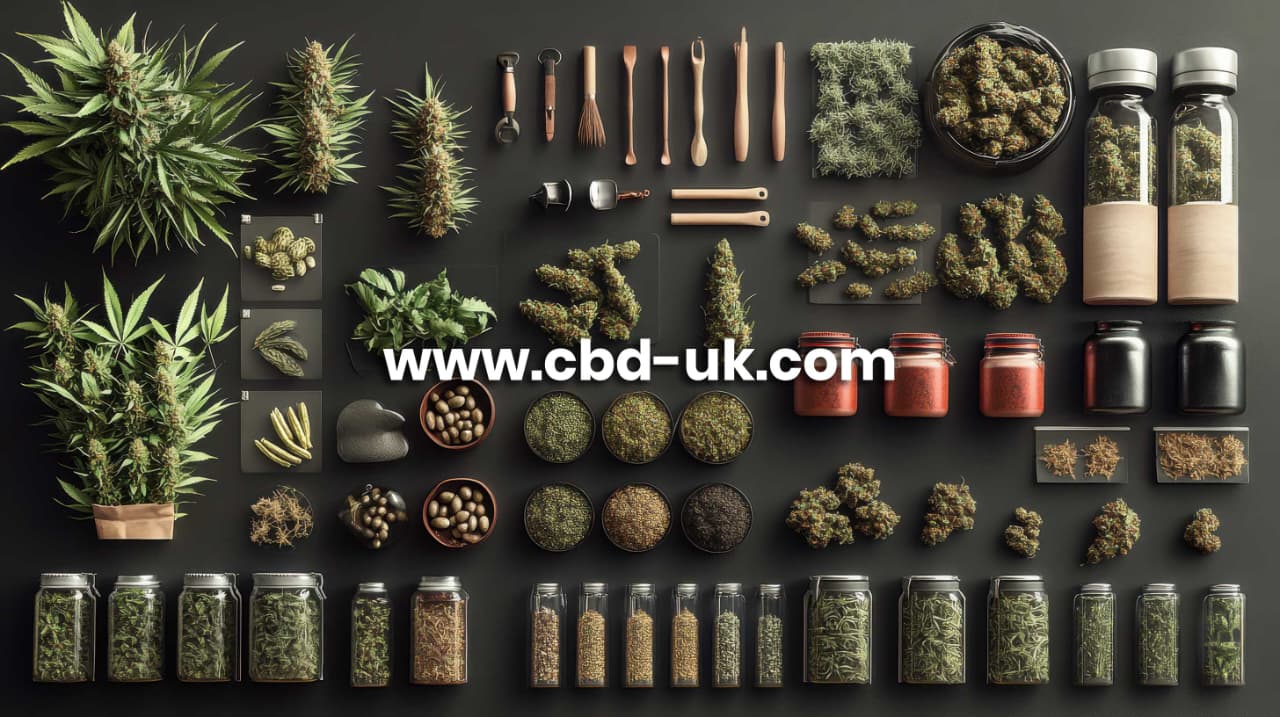
With the rapid growth of the CBD market, choosing the right product has become more difficult than ever. There are now hundreds of brands, thousands of products, and a wide range of strengths, formulations, and claims—making it easy for consumers to feel overwhelmed.
If you’re looking to get the most out of CBD, choosing the right oil is one of the most important decisions you’ll make. Not all CBD products are created equal, and the difference between a high-quality oil and a poor one can be significant.
This guide will walk you through exactly what to look for when choosing CBD oil in the UK, so you can make a confident and informed decision.
Why Quality Matters More Than Ever
CBD is not a regulated pharmaceutical product—it’s sold as a food supplement. While there are guidelines in place, the quality of products can still vary widely.
A high-quality CBD oil should deliver:
· Consistent cannabinoid levels
· Safe and clean ingredients
· Reliable effects
· Transparent information
Low-quality products, on the other hand, may:
· Contain inaccurate CBD levels
· Include contaminants
· Lack proper testing
· Deliver little to no benefit
This is why understanding what to look for is essential.
1. Check for Third-Party Lab Testing
One of the most important indicators of quality is independent lab testing.
Reputable CBD brands will provide third-party lab reports (often called Certificates of Analysis) that confirm:
· The amount of CBD in the product
· THC levels (ensuring compliance)
· The presence of other cannabinoids
· The absence of harmful substances (heavy metals, pesticides, solvents)
If a product does not have accessible lab results, that’s a major red flag.
Transparency is key.
2. Understand the Type of CBD
CBD oil comes in three main types, and each offers a slightly different experience.
Full Spectrum CBD
Contains a range of cannabinoids, including trace THC. Often associated with the “entourage effect.”
Broad Spectrum CBD
Contains multiple cannabinoids but with THC removed.
CBD Isolate
Pure CBD with no other cannabinoids.
Choosing the right type depends on your preferences and any concerns about THC, particularly if drug testing is a factor.
3. Look at the Strength and Concentration
CBD oils are available in a wide range of strengths, typically measured in milligrams (mg).
Common options include:
· 500mg
· 1000mg
· 2000mg
· 3000mg+
Higher strength does not necessarily mean better—it simply means more CBD per bottle.
The key is choosing a strength that matches your needs and allows you to dose accurately.
Many users prefer stronger oils because they:
· Require fewer drops per dose
· Offer better long-term value
· Provide more flexibility
4. Check the Ingredients
A high-quality CBD oil should have a simple and clean ingredient list.
Typically, this includes:
· CBD extract
· Carrier oil (such as hemp seed oil or MCT oil)
Avoid products with unnecessary additives, artificial ingredients, or unclear labelling.
The fewer ingredients, the better—especially when it comes to consistency and safety.
5. Verify THC Compliance
In the UK, CBD products must contain no more than 1mg of THC per container.
This is a strict legal requirement, and reputable brands will clearly state THC levels in their lab reports.
This is especially important if:
· You are concerned about legality
· You are subject to drug testing
· You want complete peace of mind
Always check before buying.
6. Consider the Source of Hemp
The quality of CBD starts with the plant itself.
High-quality CBD is typically derived from:
· Organically grown hemp
· Plants cultivated in regulated environments
· Hemp free from pesticides and harmful chemicals
The source of the hemp can have a direct impact on the final product, so it’s worth paying attention to.
7. Extraction Method Matters
CBD is extracted from hemp using different methods, and some are better than others.
The most reliable method is CO₂ extraction, which:
· Preserves cannabinoid integrity
· Produces a clean and pure extract
· Avoids harmful residues
Cheaper extraction methods may compromise quality, so this is another factor to consider.
8. Brand Reputation and Transparency
A trustworthy CBD brand should be open and transparent about:
· Where their hemp is sourced
· How their products are made
· Their lab testing processes
· Their compliance with UK regulations
Look for brands that provide clear information and avoid those that make unrealistic claims or hide key details.
9. Avoid Unrealistic Claims
CBD is widely used for wellbeing, but it is not a medicine.
In the UK, CBD products cannot legally be marketed as treatments or cures for medical conditions.
Be cautious of any company that claims:
· “Guaranteed results”
· “Cures anxiety, pain, or illness”
· “Works instantly for everyone”
These are not only misleading—they may also indicate a lack of compliance.
10. Value vs Price
Price is always a factor, but cheaper isn’t always better.
Low-cost CBD products may cut corners in areas such as:
· Hemp quality
· Extraction methods
· Testing standards
Instead of focusing purely on price, consider value per mg of CBD and overall product quality.
A slightly higher upfront cost can often result in a better experience and more reliable results.
Why So Many People Choose CBD Oil
CBD oil remains one of the most popular ways to take CBD because of its:
· Fast absorption
· Flexible dosing
· Ease of use
· Consistent results
High-quality UK CBD Oil products are designed to fit easily into daily routines, whether taken in the morning, evening, or both.
Common Mistakes to Avoid
When choosing CBD oil, there are a few common mistakes that can lead to poor results.
Choosing based on price alone
This often leads to low-quality products.
Ignoring lab reports
Without testing, there’s no way to verify what you’re getting.
Not understanding strength
This can result in incorrect dosing.
Falling for marketing hype
Always focus on facts, not claims.
Avoiding these mistakes can make a significant difference in your overall experience.
Final Thoughts
Choosing the right CBD oil doesn’t have to be complicated—but it does require attention to detail.
The key factors to focus on are:
· Lab testing
· Product type
· Strength and dosage
· Ingredients
· THC compliance
· Brand transparency
By taking the time to evaluate these elements, you can confidently select a product that is safe, effective, and suited to your needs.
As the CBD market continues to grow, informed consumers will always have the advantage.
