


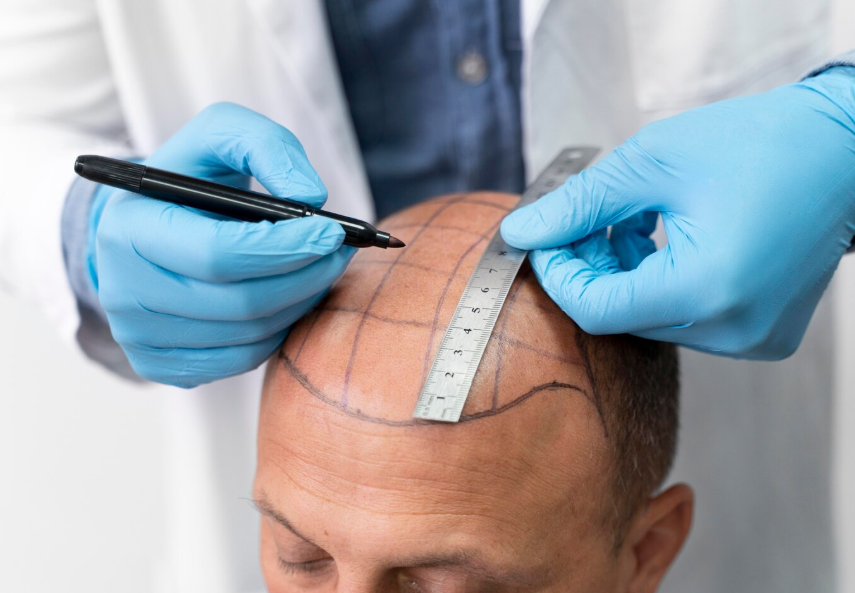
Planning a hair transplant involves more than just choosing the right clinic or technique. Many people also wonder whether the timing of the procedure can affect recovery and results. Climate, lifestyle, work schedules, and post-procedure care all play a role in the overall experience. If you are researching the hair transplant cost in Mumbai India, it’s equally important to understand when the procedure may be most comfortable and convenient for recovery.
At Bloom Hair Transplant, specialists often explain that while hair transplants can technically be performed throughout the year, certain seasons and lifestyle conditions may make the recovery process easier. Choosing the right time can help patients manage healing more comfortably while supporting healthy graft growth.
Does Weather Really Affect Hair Transplant Recovery?
Weather itself does not directly change the success rate of a hair transplant. Modern procedures are designed to work effectively in all seasons. However, weather conditions can influence how comfortable recovery feels and how easy it is to follow aftercare instructions.
Factors like sweating, sun exposure, humidity, and seasonal infections may affect the healing experience during the first few weeks after the procedure. Since newly transplanted grafts are delicate in the early stages, maintaining proper scalp care is important regardless of the season.
This is why many patients choose the timing of their transplant based on comfort and convenience rather than medical necessity.
Winter – One of the Most Preferred Seasons
Winter is often considered one of the most comfortable times for a hair transplant in India. Cooler temperatures reduce sweating, making it easier to keep the scalp clean and avoid irritation during recovery.
During winter, patients also tend to spend less time under direct sunlight, which helps protect newly transplanted grafts from excessive heat and UV exposure. The scalp remains more comfortable overall, especially during the first few days after the procedure.
Another advantage is that people often wear caps or hoodies during colder months, which can help them feel more confident while the scalp heals.
Monsoon Season and Hair Transplants
The monsoon season can also work well for hair transplant recovery if proper hygiene is maintained. Since temperatures are lower compared to peak summer, sweating may be less intense.
However, humidity levels during monsoon can sometimes increase scalp oiliness or discomfort if aftercare is neglected. Rainwater exposure should also be avoided during the initial healing phase to prevent irritation or infection.
Patients undergoing treatment during monsoon are generally advised to focus more on keeping the scalp dry and clean while avoiding excessive outdoor exposure.
Summer Recovery – Challenges and Considerations
Summer is often the most challenging season for recovery due to high temperatures and sweating. Excessive sweating can irritate the scalp and make aftercare more difficult during the first few weeks.
Sun exposure is another concern during summer months. Newly transplanted grafts are sensitive, and prolonged exposure to direct sunlight can affect scalp comfort and healing.
That said, many people still choose summer for practical reasons such as work holidays or flexible schedules. With proper precautions like staying indoors, avoiding heat exposure, and following aftercare instructions carefully, successful recovery is still completely possible.
Why Lifestyle Matters More Than Season
While weather plays a role, lifestyle and schedule often matter even more when deciding the best time for a hair transplant.
The first week after the procedure usually requires rest, minimal physical strain, and careful scalp care. Choosing a period when work pressure is lower or when time off is available can make recovery much smoother.
People with outdoor jobs, frequent travel schedules, or physically demanding routines may prefer cooler months simply because recovery becomes easier to manage.
Similarly, individuals planning vacations, weddings, or important events often schedule procedures several months in advance to allow visible hair growth before the occasion.
Understanding the Hair Growth Timeline
Hair transplant results develop gradually, which means planning ahead is important. Most patients experience temporary shedding within the first few weeks, followed by new growth after a few months.
Visible improvements typically begin around the fourth or fifth month, while fuller results continue developing over the next several months.
This timeline is one reason many individuals choose to undergo the procedure during quieter parts of the year so they can comfortably navigate the early stages before major social or professional commitments.
Seasonal Hair Fall vs Permanent Hair Loss
Many people notice increased hair shedding during certain seasons, especially monsoon or winter, and assume it is permanent hair loss.
Seasonal shedding is usually temporary and linked to environmental changes, humidity, or lifestyle shifts. A hair transplant should only be considered after proper diagnosis confirms pattern baldness or long-term thinning.
Professional consultation helps determine whether the issue requires medical treatment, lifestyle changes, or permanent restoration procedures.
Recovery Habits That Matter in Every Season
No matter what time of year you choose, successful recovery depends heavily on following proper aftercare.
Keeping the scalp clean, avoiding scratching, staying hydrated, and protecting the scalp from excessive heat or pollution are essential during the healing phase.
Patients are also advised to avoid intense workouts, swimming, smoking, and alcohol during the initial recovery period because these habits can affect healing and graft stability.
Consistent aftercare often has a greater impact on recovery quality than the season itself.
Choosing the Right Clinic Is More Important Than Timing
While weather and timing can influence comfort, the expertise of the clinic and surgeon remains the most important factor affecting results.
Advanced techniques, proper graft handling, natural hairline design, and personalized planning all contribute to successful outcomes. This is why many individuals prioritize choosing India’s best hair transplant centre rather than focusing only on seasonal timing.
A well-planned procedure combined with expert guidance can deliver excellent results regardless of the month in which it is performed.
Planning Around Personal Goals
The ideal time for a hair transplant also depends on personal goals and expectations. Some individuals plan their procedure before career transitions, weddings, public appearances, or lifestyle changes.
Others prefer undergoing treatment during quieter periods so they can recover privately and comfortably. Since results take time to fully develop, planning several months ahead often helps align the growth process with future goals.
Understanding the recovery timeline allows patients to make practical decisions without unnecessary stress.
Climate, Comfort, and Long-Term Results
India’s climate varies significantly across regions, but modern hair transplant procedures are designed to adapt to these conditions. Whether performed in winter, monsoon, or summer, the long-term success of the transplant depends far more on technique, donor hair quality, aftercare, and overall scalp health.
Choosing the right time ultimately comes down to comfort, convenience, and readiness for the recovery process. With proper planning and professional care, patients can achieve healthy, natural-looking results at any time of the year.
