


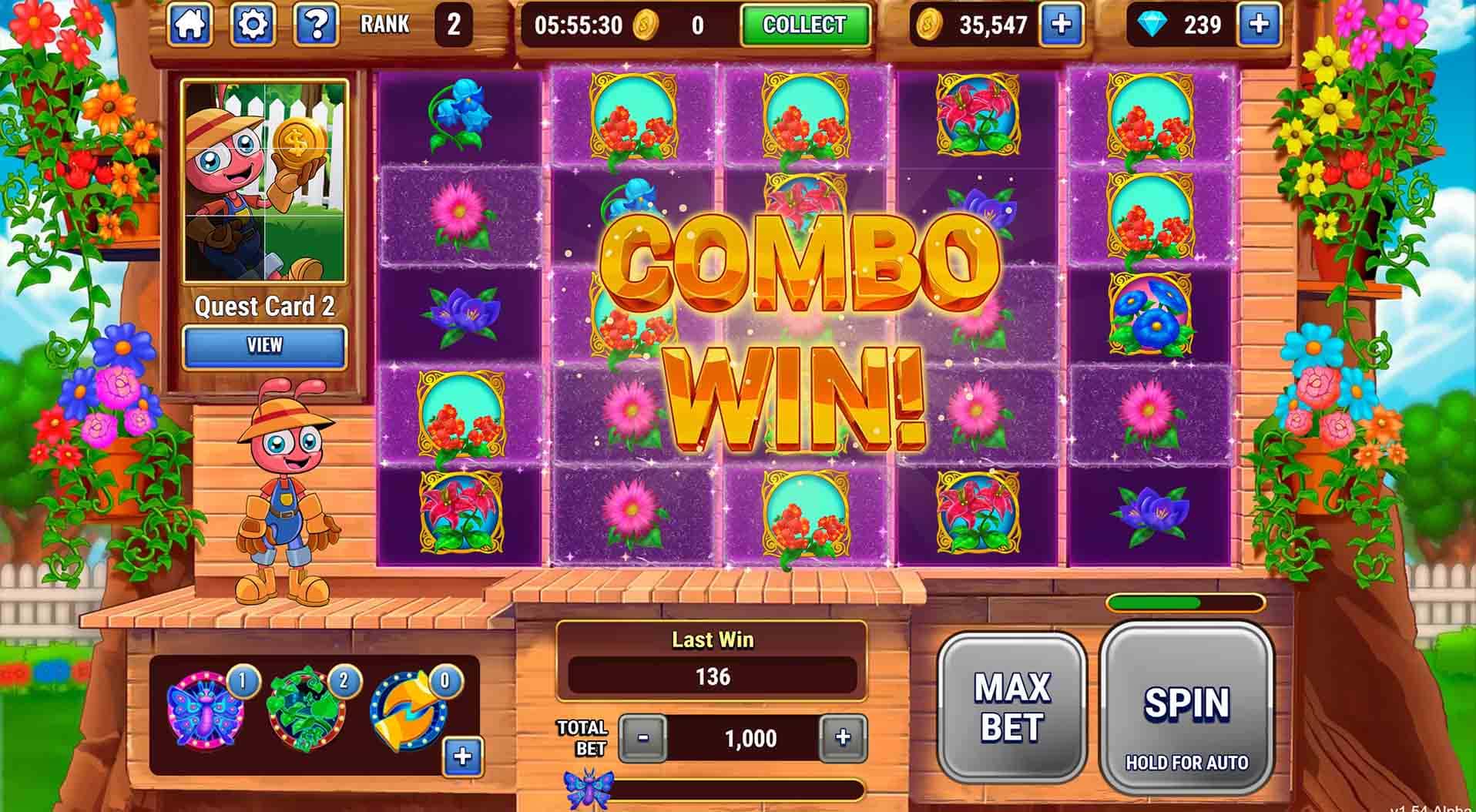
Slot game design has evolved considerably as digital technology has introduced new ways to combine visuals, mechanics, and interactive features. Developers can choose from traditional reel structures, modern grid systems, themed interfaces, cascading mechanics, and mobile-focused layouts. Understanding these different approaches helps beginners see why slot games can look and feel so different while still relying on clearly defined rules and random outcomes.
Traditional Reel-Based Design
Traditional reel-based design remains one of the most recognizable approaches to slot777 development. These games typically use three or five vertical reels with symbols arranged in rows.
The straightforward structure makes the relationship between reels, symbols, and winning combinations relatively easy to understand.
Classic-Inspired Design
Classic-inspired slots often reproduce the visual style of traditional machines. Fruits, bells, bars, sevens, and simple numerical symbols are common.
The design usually emphasizes simplicity rather than elaborate animations or complicated bonus mechanics. This approach can appeal to players who prefer a familiar interface.
Modern Video Slot Design
Modern video slots give developers greater freedom to create detailed themes, multiple reels, animated environments, and special features.
A game can combine storytelling elements with bonus rounds and different winning systems while maintaining a central reel or grid structure.
Theme-Driven Design
Some developers begin with a strong visual concept and build the rest of the game around it.
Adventure, mythology, fantasy, wildlife, food, history, and futuristic themes can influence symbols, backgrounds, sounds, animations, and bonus features. The theme provides atmosphere but does not determine individual outcomes.
Feature-Focused Design
Another approach emphasizes special gameplay mechanics. A game might be designed around free spins, respins, multipliers, expanding symbols, sticky wilds, or cascading sequences.
Feature-focused designs can provide more variety, but they may also require players to spend more time learning the rules.
Grid-Based Design
Grid-based slots use rows and columns of symbols rather than relying entirely on traditional reel arrangements.
This structure can support cluster-based combinations, cascading mechanics, expanding areas, and other modern features. The exact winning system varies between games.
Cluster-Pay Design
Cluster-based games evaluate groups of matching symbols that are positioned next to one another.
When a qualifying cluster appears, the symbols may be removed and replaced by new ones. This approach is often combined with cascading mechanics to create consecutive sequences.
Ways-to-Win Design
Ways-to-win systems provide an alternative to fixed paylines. Instead of requiring symbols to appear along predetermined paths, the game can evaluate matching symbols across adjacent reels.
The available number of ways can vary depending on the reel structure and game rules.
Cascading Design
Cascading or tumbling mechanics allow qualifying symbols to disappear and be replaced by new symbols.
If another qualifying combination forms, the process may continue. Developers can combine cascades with multipliers, special wilds, and other features to create a more dynamic sequence.
Mobile-First Design
Mobile-first slots are designed around smartphone and tablet use from the beginning.
Developers focus on responsive layouts, touch-friendly controls, readable text, and efficient graphics. Essential features should remain easy to access despite the smaller screen size.
Minimalist Design
Minimalist slots take a simpler visual approach. They may use limited animation, clean backgrounds, straightforward symbols, and uncluttered menus.
This approach can make important information easier to locate and may suit players who prefer a less visually intensive experience.
Animation-Driven Design
Some modern slots place greater emphasis on animation. Reels, symbols, characters, and bonus sequences can move dynamically throughout the game.
Animation can enhance presentation and create a more immersive atmosphere, but it does not provide reliable information about future results.
Character-Centered Design
Character-based slots use recognizable figures as important visual components. Characters can appear on reels, backgrounds, menus, and bonus screens.
This approach can give the game a stronger storytelling identity while connecting different visual elements to a central theme.
Audio-Supported Design
Sound design can complement the visual approach through music, sound effects, and special audio cues.
Developers may use different sounds for spins, symbol combinations, bonus triggers, and feature transitions. Players can often adjust audio settings according to their preferences.
Mathematical Design
Visual presentation is only one part of slot development. Every game also relies on a mathematical structure that determines how outcomes are generated.
RTP represents a theoretical long-term return percentage, while volatility describes the general distribution of potential outcomes. Neither metric guarantees a particular result during an individual session.
Random Outcome Systems
Digital slots generally use random number generation to determine individual outcomes.
This means visual patterns, previous results, and animations should not be treated as reliable prediction tools. A recent sequence of losses does not make a win due, just as a recent win does not guarantee another one.
Balancing Complexity and Usability
One of the main challenges in slot design is finding the right balance between features and simplicity.
A game can include advanced mechanics while still providing clear explanations through its paytable, help menu, and interface. Good design should make important information accessible rather than hiding it behind unnecessary complexity.
Comparing Different Design Approaches
Beginners can compare games based on their reel structure, visual style, feature complexity, winning system, mobile compatibility, RTP, volatility, and stake range.
A visually impressive game is not automatically a better choice. Understanding the rules and selecting a format that matches personal preferences is more useful.
Responsible Exploration
If real-money play is legal and appropriate, establish a predetermined entertainment budget and session duration before playing.
Demo versions can help beginners explore unfamiliar designs without wagering real money. Players should avoid chasing losses and should remember that no design approach can make random outcomes predictable.
FAQ
What are the main approaches to slot game design?
Common approaches include classic reel-based design, modern video slots, theme-driven games, feature-focused titles, grid-based formats, cluster-pay systems, cascading games, minimalist designs, and mobile-first interfaces.
Does a more complex slot design provide better results?
No. Visual complexity and additional features do not guarantee better outcomes. Individual results are generally determined by the game’s underlying randomization system and mathematical model.
How can beginners decide which slot design suits them?
Consider whether you prefer simple or feature-rich gameplay, traditional reels or modern grids, minimalist or detailed visuals, and desktop or mobile interfaces. Then review the game’s rules, paytable, RTP, volatility, and stake range before playing.
