


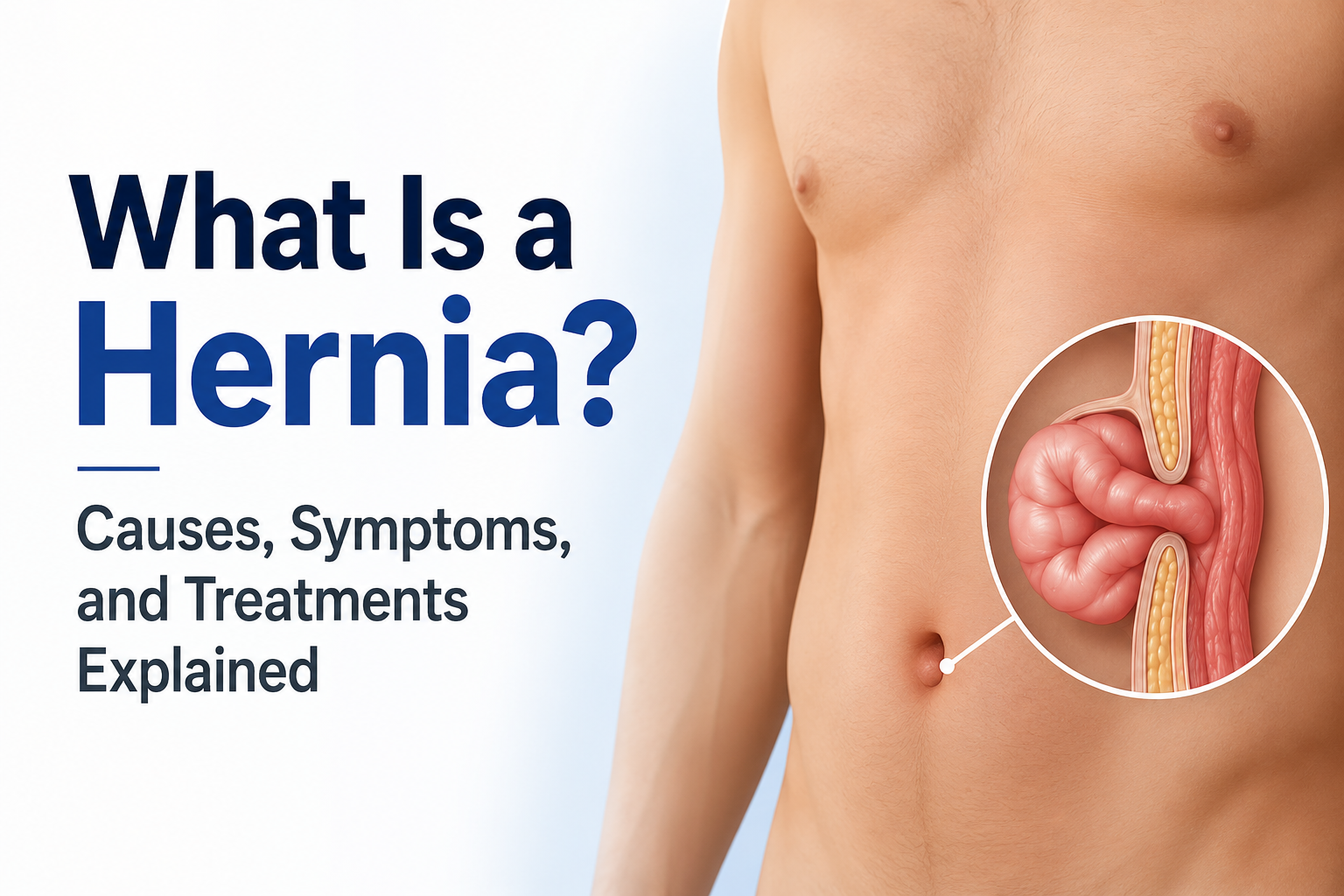
Have you noticed a lump in your abdomen or groin that becomes more noticeable when you stand, cough, or lift something heavy? It may be a hernia.
A hernia occurs when part of an organ or fatty tissue pushes through a weak area in the surrounding muscle or connective tissue.
Some hernias cause only mild discomfort, but they do not heal on their own and may grow larger over time. If symptoms persist or worsen, expert hernia surgery Singapore may be recommended to repair the weakened muscle and prevent complications.
What Is a Hernia?
A hernia happens when an organ or fatty tissue pushes through a weak spot in the muscle. It most often develops in the abdomen or groin and may appear as a lump or bulge. Some hernias do not cause symptoms at first, while others can cause pain or discomfort during daily activities.
Depending on your symptoms, your doctor may recommend hernia surgery in Singapore. If left untreated, a hernia may grow larger and raise the risk of complications.
What Are the Different Types of Hernias?
The type of hernia depends on where the weakened muscle develops.
-
Inguinal hernia: The most common type, occurring in the groin when tissue pushes through the lower abdominal wall. It affects men more often than women.
-
Femoral hernia: Develops in the upper thigh near the groin. Although less common, it is more likely to occur in women and carries a higher risk of complications.
-
Umbilical hernia: Appears near the belly button and may affect infants as well as adults, particularly during pregnancy or obesity.
-
Incisional hernia: Forms through a previous surgical incision when the abdominal wall weakens after surgery.
-
Hiatal hernia: Occurs when part of the stomach moves through the diaphragm into the chest. Unlike other hernias, it usually causes heartburn or acid reflux rather than a visible lump.
What Causes a Hernia?
A hernia usually develops when muscle weakness combines with repeated pressure inside the abdomen. Over time, this pressure pushes tissue through the weakened area.
Understanding these risk factors can help you recognise symptoms early and seek hernia surgery Singapore before complications develop.

Common risk factors include:
-
Heavy lifting or physically demanding work
-
Chronic coughing or frequent sneezing
-
Constipation and repeated straining during bowel movements
-
Obesity
-
Pregnancy, especially multiple pregnancies
-
Previous abdominal surgery
-
Age-related muscle weakness
-
A family history of hernias
Having one or more risk factors does not guarantee a hernia will develop, but it increases the likelihood over time.
What Are the Symptoms of a Hernia?
Symptoms vary depending on the type and size of the hernia. Many people first notice a soft lump that becomes more obvious when standing and less noticeable when lying down.

Other common symptoms include:
-
Pain or discomfort when lifting, coughing, or bending
-
A feeling of pressure or heaviness
-
Burning or aching around the bulge
-
Swelling that gradually increases in size
Hiatal hernias often cause different symptoms, including heartburn, acid reflux, difficulty swallowing, or chest discomfort.
When Can a Hernia Become Dangerous?
A hernia should never be ignored because it can become trapped outside the muscle. This is known as an incarcerated hernia. If the trapped tissue loses its blood supply, it becomes a strangulated hernia, which is a medical emergency.
Seek immediate medical attention if you experience:
-
Sudden or severe pain
-
A bulge that becomes firm or cannot be pushed back
-
Redness or discoloration around the bulge
-
Nausea or vomiting
-
Fever together with a painful hernia
Prompt treatment can prevent serious complications, including permanent damage to the affected tissue.
How Is a Hernia Diagnosed?
A doctor can often diagnose a hernia during a physical examination. You may be asked to stand, cough, or change position to make the bulge easier to identify. Your hernia surgeon will also assess whether the hernia can be gently pushed back into the abdomen.
If the diagnosis is uncertain or more information is needed before surgery, imaging tests such as an ultrasound or CT scan may be recommended.
Hernia Treatment Options
Treatment depends on the type of hernia, its size, your symptoms, and the risk of complications. Small hernias with minimal symptoms may be monitored, but surgery is the only permanent repair.
Common treatment options include:
-
Laparoscopic (keyhole) repair: Uses several small incisions and specialised instruments, often resulting in less postoperative discomfort and a quicker recovery.
-
Robotic-assisted repair: Similar to laparoscopic surgery but offers greater precision for selected patients.
Your hernia specialist will recommend the most appropriate treatment based on your condition.
Robotic Laparoscopic Hernia Surgery Procedure
Robotic-assisted laparoscopic hernia surgery in Singapore is a minimally invasive keyhole procedure that uses robotic technology to improve precision, control, and 3D visualization.
The surgeon fully controls the robotic instruments throughout the operation; the system does not operate on its own.
Simple Steps of the Procedure:
1. General anaesthesia
You will be given general anaesthesia so you remain asleep and do not feel pain during the operation.
2. Small incisions
The surgeon makes two to four small keyhole incisions in the abdomen. These openings allow the camera and robotic instruments to enter the surgical area.
3. Inflation of the abdomen
Carbon dioxide gas is gently introduced into the abdomen. This creates more working space and helps the surgeon see the internal structures clearly.
4. Robotic system control
The robotic system is positioned beside the operating table. The surgeon sits at a nearby console and controls the robotic arms. The instruments have flexible, wrist-like movements that allow precise handling of tissue.
5. Camera and instrument placement
A high-definition 3D camera and fine surgical instruments are inserted through the small incisions. The camera provides a magnified view of the hernia.
6. Mesh placement
A surgical mesh may be placed over the weakened area to provide extra support and reduce the risk of the hernia returning. The mesh is secured using stitches or another suitable fixation method.
7. Incision closure
The instruments are removed, the carbon dioxide gas is released, and the small incisions are closed with dissolvable stitches, surgical glue, or adhesive strips.
Can a Hernia Be Managed Without Surgery?
Lifestyle changes cannot repair a hernia, but they may help relieve symptoms while the condition is monitored. Helpful measures include:
-
Eating a high-fibre diet to prevent constipation
-
Maintaining a healthy weight
-
Avoiding heavy lifting where possible
-
Quitting smoking to reduce chronic coughing
-
Eating smaller meals and avoiding lying down after eating if you have a hiatal hernia
These measures may ease symptoms but cannot repair the weakened muscle. Your hernia specialist Singapore will advise whether monitoring or surgery is the safest option for your condition.
When Should You See a Hernia Specialist?
Arrange a medical evaluation if you notice a persistent lump, increasing pain, or symptoms that interfere with your daily activities.
Early diagnosis allows treatment before complications develop and helps determine whether monitoring or surgery is the most appropriate option.
At Arden JR Surgery, we provide comprehensive assessment and personalised treatment for all types of hernias.
If you have noticed a lump, pain, or other concerning symptoms, contact our team today to schedule a consultation and receive expert advice tailored to your condition.
